
IA en AEC: Cómo la inteligencia artificial está transformando el sector de la construcción
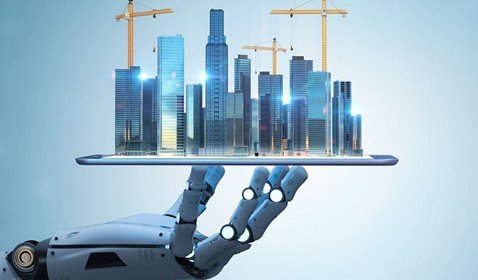
IA en AEC: Cómo la inteligencia artificial está transformando el sector de la construcción
Descubre cómo la IA está revolucionando el sector de la arquitectura, la ingeniería y la construcción (AEC). La eficiencia, la seguridad y la creatividad mejoran gracias a la inteligencia artificial y al BIM.
Por el equipo editorial / 3 de julio de 2025
La inteligencia artificial (IA) está revolucionando el sector de la arquitectura, la ingeniería y la construcción (AEC), transformando la forma en que se diseñan, construyen y gestionan los edificios y las infraestructuras. Gracias a su capacidad para analizar grandes volúmenes de datos, automatizar actividades complejas y predecir con precisión problemas críticos, la IA en AEC se está convirtiendo en una herramienta clave para mejorar la eficiencia, la seguridad, la creatividad y la sostenibilidad en cada etapa del ciclo de vida de un proyecto.
Una de las aplicaciones más avanzadas de esta transformación es la integración entre la IA y el BIM (Modelado de Información para la Construcción). La combinación de estas tecnologías permite crear modelos digitales inteligentes enriquecidos con algoritmos predictivos que optimizan la gestión de recursos, identifican problemas estructurales con antelación y facilitan un mantenimiento inteligente mediante gemelos digitales.
Hoy en día, la adopción de herramientas basadas en inteligencia artificial y diseño BIM ya no es una tendencia emergente, sino una realidad consolidada. Las empresas que invierten en estas soluciones obtienen ventajas tangibles: plazos de entrega más cortos y menores costes, proyectos más sostenibles y una calidad de construcción superior.
Para afrontar con éxito esta transformación, es fundamental adoptar soluciones digitales que apoyen cada fase del proyecto: desde software de diseño BIM 3D, que permite modelar edificios complejos con precisión y gran cantidad de información, hasta generadores arquitectónicos basados en IA, ideales para agilizar la fase creativa y producir conceptos de diseño y renderizaciones realistas en cuestión de minutos. Integrar estas tecnologías hoy en día significa sentar las bases para un enfoque de diseño más eficiente, conectado y sostenible.
¿Qué es la inteligencia artificial (IA) en el contexto de la arquitectura, ingeniería y construcción (AEC)?
La inteligencia artificial (IA) es una de las innovaciones tecnológicas más revolucionarias de las últimas décadas, con un impacto transversal en numerosos sectores, incluyendo la arquitectura, la ingeniería y la construcción (AEC). Se trata de un conjunto de tecnologías informáticas que permiten a las máquinas simular funciones cognitivas propias de la inteligencia humana, como el aprendizaje, el razonamiento y la resolución de problemas. Mediante el procesamiento y análisis de grandes volúmenes de datos, los sistemas de IA pueden automatizar procesos, optimizar operaciones y proporcionar apoyo avanzado a la toma de decisiones, lo que se traduce en actividades más eficientes y precisas.
Por lo tanto, la IA se basa en un conjunto de tecnologías avanzadas, cada una de las cuales contribuye de manera específica a optimizar los procesos en diferentes campos de aplicación. Entre las más importantes se encuentran las siguientes.
El aprendizaje automático permite que los sistemas reconozcan patrones en los datos y mejoren su rendimiento con el tiempo sin necesidad de programación explícita.
El aprendizaje profundo, una subcategoría del aprendizaje automático basada en redes neuronales artificiales compuestas por múltiples capas, permite a los sistemas de IA analizar datos complejos como imágenes, vídeos y texto, mejorando así el reconocimiento visual y el procesamiento del lenguaje natural.
El procesamiento del lenguaje natural (PLN) permite a las máquinas comprender y generar texto en lenguaje humano, facilitando así la interacción entre humanos y máquinas. Esto resulta especialmente útil para analizar documentación técnica, contratos y normativas en el sector de la arquitectura, la ingeniería y la construcción (AEC).
La visión artificial permite a los sistemas de IA interpretar y analizar imágenes y vídeos, posibilitando la monitorización automática de obras, la inspección de edificios y la generación de modelos tridimensionales a partir de levantamientos fotogramétricos o escaneos láser.
Aspectos innovadores de la adopción de la IA
En el sector de la arquitectura, ingeniería y construcción (AEC), la inteligencia artificial está revolucionando la forma en que se conciben, construyen y gestionan los proyectos de construcción e infraestructura. La adopción de esta tecnología permite optimizar los procesos en las distintas etapas del ciclo de vida de un edificio o una infraestructura. Entre los aspectos más innovadores derivados de la adopción de la IA en la construcción se incluyen los siguientes:.
La IA puede analizar enormes cantidades de información procedente de diversas fuentes y proporcionar pronósticos precisos sobre los plazos de construcción, las condiciones estructurales y el rendimiento energético de los edificios.
Los algoritmos de IA pueden automatizar actividades repetitivas como cálculos, generación de informes, gestión de documentos y comprobaciones de cumplimiento, reduciendo el riesgo de error humano y mejorando la eficiencia operativa.
Mediante el análisis de datos complejos y la identificación de correlaciones, la IA proporciona un soporte avanzado para la toma de decisiones, lo que ayuda a los profesionales de la arquitectura, la ingeniería y la construcción a tomar decisiones mejor fundamentadas y a optimizar los costes y los recursos.
La IA optimiza el uso de materiales y la logística al reducir los residuos y mejorar la gestión de la cadena de suministro mediante análisis predictivos y al sugerir alternativas más sostenibles y estrategias de aprovisionamiento más eficientes.
Inteligencia artificial en la arquitectura
La introducción de la IA en la arquitectura también aporta beneficios igualmente significativos, ya que esta tecnología no solo transforma el proceso de diseño, sino que también permite anticipar las necesidades futuras de los edificios. Mediante la integración de análisis predictivos y simulaciones avanzadas, la IA permite a los arquitectos optimizar el espacio, mejorar la eficiencia energética y responder de forma más específica a los retos de la sostenibilidad.
La adopción de la IA ayuda a diseñar edificios que no solo son más funcionales e innovadores desde un punto de vista estético, sino que también son capaces de adaptarse dinámicamente a las necesidades del entorno circundante y de los usuarios a largo plazo.
Inteligencia artificial en el sector de la arquitectura, ingeniería y construcción: tecnologías y aplicaciones.
Aplicaciones concretas de la IA en la arquitectura, la ingeniería y la construcción.
La inteligencia artificial ha transformado radicalmente la arquitectura, la ingeniería y la construcción, redefiniendo los métodos de diseño, construcción y gestión de edificios e infraestructuras. Gracias a su capacidad para procesar grandes cantidades de datos, identificar patrones complejos y automatizar operaciones repetitivas, la IA en el sector AEC optimiza los procesos, reduce costes y promueve prácticas de construcción más sostenibles y respetuosas con el medio ambiente. Sus aplicaciones abarcan desde la optimización del diseño hasta la gestión avanzada de obras, el mantenimiento predictivo y la mejora de la seguridad. Las principales formas en que la IA contribuye a la innovación en el sector AEC incluyen las siguientes:.
Optimización del diseño mediante diseño generativo
El diseño generativo es un proceso de diseño que utiliza algoritmos para generar, analizar y optimizar un gran número de soluciones a partir de las restricciones y los objetivos definidos por el diseñador. A diferencia del diseño tradicional, en el que el ingeniero o arquitecto desarrolla manualmente una única solución, este enfoque permite explorar automáticamente muchas alternativas e identificar las más eficientes en términos de materiales, costes y rendimiento estructural.
La IA generativa en ingeniería civil encuentra aplicación en numerosos ámbitos, incluida la optimización del uso de materiales, donde los algoritmos analizan diferentes configuraciones para minimizar el consumo de materiales sin comprometer la resistencia estructural. Por ejemplo, pueden sugerir geometrías innovadoras que reduzcan el peso total de una estructura manteniendo la misma capacidad de carga.
También facilita el diseño de edificios con geometrías complejas, permitiendo optimizar la distribución interior, mejorar la ventilación natural y maximizar la entrada de luz natural, reduciendo así el consumo energético. Por ejemplo, al diseñar un rascacielos, la IA puede analizar formas y orientaciones para garantizar la máxima eficiencia energética y confort.
El diseño generativo también puede aplicarse a la planificación de infraestructuras urbanas, optimizando la disposición de las redes viales, los sistemas de transporte público y las redes de agua en función del flujo de tráfico, las limitaciones ambientales y las necesidades de una población en crecimiento. Esto da lugar a soluciones más resilientes que pueden adaptarse a los cambios futuros.
El proceso puede integrarse con simulaciones estructurales y modelado paramétrico para mejorar la precisión y reducir el tiempo necesario para la toma de decisiones. En este enfoque, el diseñador no es reemplazado, sino que cuenta con el apoyo de herramientas avanzadas que ayudan a identificar soluciones más innovadoras y eficientes.
BIM y automatización del modelado
La integración de la IA en los procesos de Modelado de Información para la Construcción (BIM) está transformando el modelado y el diseño en el sector de la arquitectura, ingeniería y construcción (AEC). BIM permite crear representaciones digitales tridimensionales de edificios e infraestructuras, enriquecidas con información detallada sobre materiales, costes y rendimiento. Sin embargo, la creación y gestión de estos modelos puede ser extremadamente compleja y consumir mucho tiempo. Gracias a la IA, muchas actividades de modelado pueden automatizarse, mejorando la eficiencia y reduciendo errores y tiempo de diseño.
La IA en BIM puede generar automáticamente modelos 3D transformando bocetos, dibujos 2D o nubes de puntos obtenidas mediante escaneo láser en modelos tridimensionales precisos y detallados. Esto reduce considerablemente el tiempo necesario para producir modelos y aumenta la precisión en comparación con el modelado manual.
El BIM basado en IA también puede detectar y corregir errores de diseño al identificar inconsistencias entre diferentes partes del proyecto (arquitectura, estructuras, sistemas) y señalar conflictos como elementos superpuestos o errores dimensionales, evitando así cambios costosos durante la construcción.
Mediante el aprendizaje automático y el análisis de datos, la IA puede evaluar diferentes soluciones de diseño y proponer las más eficientes en términos de materiales, coste y rendimiento energético, mejorando la sostenibilidad y reduciendo los residuos.
Los detalles constructivos, como las conexiones estructurales, las uniones entre diferentes materiales y las especificaciones del sistema, se pueden añadir automáticamente a los modelos BIM, lo que reduce el trabajo manual y aumenta la precisión de la documentación del proyecto.
La IA también puede simular el rendimiento de los edificios durante la fase de diseño, analizando parámetros como la eficiencia energética, la iluminación natural y el confort térmico directamente dentro del modelo BIM, lo que permite a los ingenieros tomar decisiones informadas antes de que comience la construcción.
La integración de BIM con la realidad virtual (RV) y la realidad aumentada (RA), potenciada por la IA, permite crear simulaciones avanzadas de edificios antes de su construcción. Gracias a la IA, los modelos BIM se adaptan dinámicamente a las necesidades de diseño, se identifican problemas críticos, se optimizan los espacios y se mejora la coordinación entre equipos. Estas tecnologías también permiten analizar escenarios alternativos en tiempo real, facilitando una toma de decisiones más rápida y eficaz.
Diseño creativo y renderizaciones instantáneas: la IA al servicio del arquitecto.
Entre las aplicaciones más avanzadas de la IA en la arquitectura, ingeniería y construcción (AEC), los generadores arquitectónicos basados en IA están transformando la fase de diseño conceptual, permitiendo a los diseñadores pasar de la idea a la visualización de forma rápida e intuitiva. Estas herramientas pueden transformar entradas visuales como bocetos, fotos o modelos 3D en propuestas de diseño completas, reduciendo drásticamente el tiempo y los recursos necesarios en las primeras etapas del diseño.
Mediante redes neuronales generativas y algoritmos de aprendizaje profundo, la IA interpreta el contexto, reconoce geometrías y produce soluciones arquitectónicas coherentes y realistas. Puede transformar automáticamente las entradas visuales en variantes tridimensionales de un proyecto, sugiriendo distribuciones, formas, materiales y acabados acordes con el estilo deseado.
Las soluciones generadas incluyen vistas realistas con sombras, iluminación natural, reflejos y el contexto circundante. Los resultados están listos para ser utilizados en presentaciones, concursos o revisiones internas.
El proceso creativo se acelera porque, en lugar de dedicar horas al modelado inicial, los diseñadores pueden explorar más opciones en menos tiempo, obtener ideas visuales concretas para desarrollar y centrarse en las decisiones de diseño más estratégicas.
El impacto visual también mejora la comunicación con clientes y equipos técnicos, reduciendo malentendidos y agilizando la aprobación de conceptos. Integrar un generador de arquitectura con IA en el flujo de trabajo permite diseñar con mayor creatividad, rapidez y eficiencia, y utilizar estas herramientas para optimizar la fase inicial del proyecto, mejorar la presentación de ideas y acortar los tiempos de toma de decisiones desde el primer boceto.
Planificación y gestión inteligente del emplazamiento
La IA también desempeña un papel fundamental en la gestión de obras, gracias a su capacidad para optimizar la planificación y reducir retrasos, desperdicios y costes imprevistos. La complejidad de los proyectos de construcción exige la coordinación de numerosos factores, como la disponibilidad de materiales, la gestión de la mano de obra y el cumplimiento de los plazos. Mediante el uso de la IA en el sector de la arquitectura, la ingeniería y la construcción (AEC), la toma de decisiones se agiliza y se basa en datos, lo que mejora la organización y la seguridad en la obra.
La IA analiza los datos del proyecto para optimizar la secuencia de actividades, reduciendo los tiempos de inactividad y la superposición entre las distintas fases de la construcción, y mejorando la coordinación entre los equipos. Combinada con sensores IoT e imágenes de drones, la IA puede supervisar continuamente el progreso de la obra, compararlo con el cronograma previsto y, en caso de desviaciones, sugerir soluciones alternativas para subsanar los retrasos.
Ayuda a optimizar el uso de equipos, materiales y mano de obra, evitando el desperdicio y mejorando la logística en obra al predecir cuándo se necesitarán máquinas específicas en ciertas áreas y programar su uso de manera eficiente.
Mediante el análisis de datos históricos y en tiempo real, la IA puede identificar situaciones de alto riesgo, señalar comportamientos que no cumplen con las normas de seguridad y prevenir accidentes laborales, por ejemplo, al reconocer la ausencia de equipos de protección personal en las imágenes.
Los modelos predictivos permiten anticipar problemas como retrasos en los suministros, condiciones climáticas adversas o ineficiencias operativas, lo que permite a los gestores de proyectos tomar medidas preventivas.
Seguridad en el lugar de trabajo y prevención de accidentes
La seguridad en las obras de construcción es uno de los principales retos del sector debido a la complejidad de las operaciones y al gran número de variables que gestionar. La IA aporta nuevas soluciones para prevenir accidentes, mejorando la monitorización de las condiciones de trabajo, identificando posibles peligros y facilitando la adopción de medidas preventivas. El análisis de datos en tiempo real contribuye a reducir los riesgos y a garantizar un entorno laboral más seguro.
La IA puede supervisar automáticamente las condiciones de seguridad mediante cámaras inteligentes, sensores IoT y dispositivos portátiles para analizar el lugar en tiempo real y detectar situaciones de riesgo, como el incumplimiento de las normas de seguridad, la aglomeración en zonas peligrosas o la presencia de obstáculos que podrían provocar accidentes.
Mediante el análisis de imágenes y vídeos, la IA comprueba si los trabajadores utilizan correctamente los cascos, los chalecos reflectantes, los guantes y demás equipos de protección obligatorios, y envía alertas si detecta anomalías.
La IA también realiza análisis predictivos de accidentes utilizando datos históricos y algoritmos de aprendizaje automático para identificar patrones de riesgo y predecir situaciones que podrían provocar accidentes, lo que permite tomar medidas preventivas antes de que surjan problemas.
Los dispositivos portátiles, como los relojes inteligentes y los sensores biométricos, detectan signos de fatiga, estrés térmico o niveles peligrosos de exposición a sustancias nocivas. El sistema puede recomendar pausas o intervenciones para evitar problemas de salud en el lugar de trabajo.
La IA respalda la planificación de la seguridad durante las diferentes fases de la construcción, ayudando a los responsables de seguridad a diseñar planes de emergencia, simular escenarios de riesgo y sugerir estrategias óptimas para gestionar eventos inesperados.
También facilita la formación de los trabajadores mediante simulaciones interactivas de realidad virtual y programas de aprendizaje adaptativo que recrean escenarios de riesgo realistas para mejorar la preparación y reducir el error humano. La IA analiza el desempeño individual, identifica las áreas que requieren mayor capacitación y personaliza las rutas de aprendizaje para aumentar la eficacia de los programas de seguridad.
Mantenimiento predictivo y gestión de edificios
La IA mejora los procesos de mantenimiento y gestión de edificios mediante la introducción de sistemas capaces de predecir problemas y optimizar las tareas de mantenimiento. Tradicionalmente, el mantenimiento de edificios se realiza de forma reactiva, tras la aparición de un problema, o según cronogramas preestablecidos que a menudo dan lugar a intervenciones innecesarias o tardías. Con la IA en el sector de la arquitectura, la ingeniería y la construcción (AEC), es posible adoptar un enfoque predictivo basado en el análisis continuo de los datos procedentes del edificio.
Los sensores IoT instalados en los edificios recopilan datos sobre temperatura, humedad, vibraciones y consumo energético. La IA analiza esta información para identificar anomalías y alertar sobre posibles problemas antes de que se agraven. Los modelos de aprendizaje automático analizan datos históricos y operativos de los sistemas del edificio para predecir cuándo podría fallar un componente, lo que permite programar intervenciones específicas y reducir el tiempo de inactividad y los costes de mantenimiento.
La IA optimiza el uso de la energía ajustando automáticamente sistemas como la electricidad, el agua y la calefacción según las condiciones ambientales y los niveles de ocupación, reduciendo el desperdicio y mejorando la eficiencia energética del edificio.
Los sistemas inteligentes pueden generar alertas automáticas para el mantenimiento rutinario, evitando así el deterioro a largo plazo de las estructuras y los sistemas.
Los datos recopilados por los sensores se pueden integrar en el modelo BIM para crear un gemelo digital real, una réplica virtual del edificio que actualiza constantemente su información en función de datos en tiempo real. Esto permite una monitorización extremadamente precisa del estado del edificio, la simulación de escenarios de degradación o mal funcionamiento y la optimización de las intervenciones de mantenimiento. Los gemelos digitales ayudan a los gestores a anticipar la evolución de las condiciones estructurales y de los sistemas, mejorando la eficiencia operativa y reduciendo el desperdicio de recursos.
Eficiencia energética y sostenibilidad
La IA desempeña un papel fundamental en la mejora de la eficiencia energética y la promoción de la sostenibilidad en el sector de la arquitectura, la ingeniería y la construcción (AEC). El diseño y la gestión de edificios pueden beneficiarse enormemente del análisis avanzado de datos y los algoritmos de IA, que ayudan a optimizar el consumo, reducir los residuos y minimizar el impacto ambiental de la construcción.
La IA optimiza el consumo de energía analizando los datos de los sistemas de calefacción, refrigeración, iluminación y ventilación, y ajustando automáticamente los parámetros en función de la ocupación y las condiciones ambientales, reduciendo el consumo de energía sin comprometer el confort.
Los modelos basados en inteligencia artificial pueden simular el rendimiento energético de un edificio durante la fase de diseño, evaluando la eficacia de soluciones como el aislamiento térmico, la orientación del edificio y el uso de fuentes de energía renovables, con el fin de desarrollar proyectos más sostenibles.
La IA también mejora la gestión de los recursos hídricos mediante el control del consumo de agua, la identificación de fugas o desperdicios en tiempo real y la optimización de su uso en edificios e infraestructuras.
Mediante el análisis del ciclo de vida de los materiales, la IA puede sugerir las soluciones más respetuosas con el medio ambiente, promover la reutilización y el reciclaje de materiales de construcción y reducir la huella ambiental del sector.
También mejora la gestión de las fuentes de energía renovables, como la solar, la eólica o la geotérmica, al predecir la producción y regular el consumo de forma inteligente para garantizar un uso más eficiente de los recursos disponibles.
El papel de la IA en la ingeniería
Como se ha demostrado en las secciones anteriores, la inteligencia artificial está adquiriendo cada vez mayor importancia en la ingeniería, transformando tanto los procesos de diseño como los operativos. La IA no solo perfecciona los métodos tradicionales, sino que también introduce herramientas innovadoras que permiten abordar los desafíos de la construcción con mayor eficiencia y fiabilidad.
Uno de los aspectos más importantes de la IA es su capacidad para procesar grandes cantidades de datos de diversas fuentes. Esto permite identificar patrones y correlaciones que, de otro modo, serían difíciles de detectar, especialmente en campos complejos como el análisis estructural, la gestión de infraestructuras y el diseño arquitectónico. Gracias a estas herramientas, los ingenieros pueden tomar decisiones mejor fundamentadas e identificar soluciones óptimas con una precisión sin precedentes.
La IA también demuestra ser un valioso apoyo en la toma de decisiones. El software basado en IA analiza diferentes escenarios de diseño, evalúa numerosas variables y sugiere las soluciones más adecuadas según criterios de seguridad, eficiencia y sostenibilidad. Esto reduce el margen de error, mejora la calidad del proyecto y acelera los plazos de entrega.
Otra ventaja es la integración de la IA con tecnologías digitales avanzadas como el modelado de información para la construcción (BIM) y los gemelos digitales. Estas herramientas permiten crear modelos digitales interactivos y en constante actualización que mejoran la colaboración entre profesionales y simplifican la gestión de la construcción. La IA permite supervisar todo el ciclo de vida de un proyecto, predecir posibles problemas críticos y optimizar las intervenciones de mantenimiento.
Además de mejorar la eficiencia de los procesos, la inteligencia artificial desempeña un papel fundamental en la sostenibilidad. Ayuda a optimizar el consumo energético, seleccionar materiales con menor impacto ambiental y desarrollar soluciones de diseño más eficientes. Los modelos predictivos permiten evaluar el impacto ambiental de un edificio ya durante la fase de diseño, fomentando así decisiones más conscientes y orientadas a la sostenibilidad.
La adopción de la IA en la ingeniería no es, por lo tanto, solo un avance tecnológico, sino una verdadera revolución que está redefiniendo la forma en que se diseñan, construyen y gestionan los proyectos. Su potencial está en constante evolución y, a medida que se desarrollan nuevas tecnologías, la IA se convertirá en un elemento cada vez más fundamental para lograr una construcción más segura, eficiente y sostenible.
Transformando el sector de la construcción con inteligencia artificial.
La inteligencia artificial está revolucionando el sector de la construcción con metodologías avanzadas que mejoran cada fase del proceso constructivo. Desde el diseño del proyecto hasta la gestión de la obra, incluyendo la coordinación de recursos y el control de calidad, la IA contribuye a que la industria sea más eficiente, segura y fiable. Mediante la integración de algoritmos avanzados y sistemas analíticos, es posible reducir las ineficiencias, minimizar los retrasos y optimizar las operaciones.
La IA permite un diseño inteligente mediante el procesamiento de grandes cantidades de datos para proponer soluciones arquitectónicas y de ingeniería más eficientes. Mediante algoritmos de aprendizaje automático, las herramientas de diseño pueden analizar materiales, condiciones ambientales, cargas estructurales y normativas, y sugerir alternativas optimizadas que mejoran tanto la calidad del proyecto como la sostenibilidad de los edificios.
La IA se integra con la automatización y la robótica en obra para llevar a cabo actividades como la colocación de materiales, la impresión 3D de componentes de construcción y la supervisión de las actividades en el sitio. Estas tecnologías aumentan la velocidad de ejecución, reducen el riesgo de errores y mejoran la seguridad de los trabajadores al limitar la exposición a condiciones peligrosas.
La IA facilita el mantenimiento predictivo y la monitorización de infraestructuras mediante sensores IoT y modelos predictivos que supervisan el estado de las estructuras en tiempo real y anticipan posibles fallos o deterioro. Esto permite intervenir antes de que se produzcan daños graves, reduciendo los costes de mantenimiento y aumentando la durabilidad de edificios e infraestructuras.
La IA optimiza la logística y los recursos analizando datos como las condiciones meteorológicas, el tráfico y la disponibilidad de materiales para planificar los suministros de manera eficiente. Esto reduce el desperdicio, evita retrasos y mejora la gestión general de la cadena de suministro, lo que repercute positivamente tanto en el tiempo como en el coste.
La IA también aprovecha el procesamiento del lenguaje natural para la gestión de proyectos. Los sistemas avanzados de IA permiten a los profesionales interactuar de forma intuitiva con modelos digitales y software de gestión mediante interfaces conversacionales. Los asistentes virtuales y los chatbots inteligentes facilitan el acceso a información crucial del proyecto, la consulta de modelos BIM, la recepción de actualizaciones sobre el progreso del trabajo y la resolución de problemas sin necesidad de navegar por interfaces complejas. La IA puede generar automáticamente informes detallados sobre las actividades en obra, proporcionando documentación clara y siempre actualizada. Esto mejora la trazabilidad, facilita la toma de decisiones y optimiza la gestión de proyectos, al tiempo que reduce el riesgo de errores e ineficiencias.
Combinada con visión artificial y drones, la IA permite el control automático de calidad mediante la inspección de obras y la verificación de que cumplen con las especificaciones de diseño. Los algoritmos comparan las imágenes capturadas con modelos digitales para identificar defectos o desviaciones de los estándares, lo que permite realizar correcciones durante la construcción y evitar cambios costosos en el futuro, garantizando así un mayor nivel de calidad.
Desafíos y consideraciones en la adopción de la IA
A pesar de sus múltiples beneficios, la IA también presenta varios desafíos y consideraciones que las empresas deben abordar para garantizar una integración efectiva. Las inversiones iniciales pueden ser significativas, ya que la IA requiere gastos en infraestructura digital, capacitación del personal y actualización de procesos, lo que puede representar una barrera para muchas empresas.
La formación es otro reto importante. El uso eficaz de la IA requiere conocimientos especializados en análisis de datos, aprendizaje automático y gestión de sistemas digitales avanzados. La escasez de profesionales cualificados puede ralentizar la adopción y limitar los beneficios obtenidos.
La integración de nuevas tecnologías de IA con los sistemas existentes puede ser compleja y requerir adaptaciones sustanciales para garantizar la compatibilidad y el correcto funcionamiento de los procesos.
La fiabilidad de los datos es fundamental, ya que la IA se basa en el análisis de grandes cantidades de datos para tomar decisiones y optimizar procesos. La calidad y la precisión de los datos recopilados son cruciales para obtener resultados fiables. Los errores o los datos incompletos pueden comprometer la eficacia de las soluciones de IA y conducir a decisiones erróneas.
La ciberseguridad y la protección de datos también son cuestiones fundamentales. La IA implica gestionar enormes volúmenes de información, gran parte de la cual puede ser sensible o confidencial. Proteger los datos del acceso no autorizado, los ciberataques y las violaciones de la privacidad se convierte en una prioridad absoluta.
La resistencia al cambio es otro obstáculo, ya que la introducción de nuevas tecnologías puede generar reticencia entre los profesionales, especialmente entre aquellos acostumbrados a los métodos tradicionales de diseño y gestión. Para facilitar una transición fluida, las empresas deben promover una cultura de innovación y brindar el apoyo adecuado durante la fase de adaptación.
Herramientas de software a considerar
Para afrontar estos retos se requiere una estrategia bien planificada, inversiones específicas y una gestión del cambio eficaz. Solo superando estos obstáculos podrá el sector de la arquitectura, la ingeniería y la construcción aprovechar plenamente el potencial de la IA para mejorar la eficiencia, la seguridad y la calidad de los proyectos de construcción.
Para iniciar un proceso de digitalización sólido y gradual, es fundamental adoptar las herramientas adecuadas. Un paquete de software de diseño BIM 3D permite desarrollar modelos digitales detallados e inteligentes. La precisión de los datos, la información centralizada y las capacidades de simulación avanzadas convierten a esta herramienta en el primer paso hacia un diseño más inteligente y fiable.
Un generador de arquitectura con IA ofrece un potente apoyo en la fase creativa, transformando bocetos, imágenes y modelos conceptuales en conceptos de diseño y representaciones realistas en muy poco tiempo. Estas herramientas son ideales para mejorar la comunicación con los clientes, agilizar las revisiones e impulsar la innovación en el diseño.
Un sistema de gestión BIM es fundamental para una gestión coordinada, colaborativa y segura de todas las fases del proyecto. Esta plataforma facilita el trabajo en equipo, el intercambio de datos en tiempo real y el control total sobre el tiempo, los costes y la calidad de la construcción, garantizando una transición fluida hacia la adopción de la IA.
No pierdas la oportunidad de hacer que tu proceso de diseño sea más eficiente e innovador.
Preguntas frecuentes sobre la IA en la arquitectura, ingeniería y construcción.
¿Qué es la IA en el sector de la arquitectura, la ingeniería y la construcción?
La IA en la arquitectura, la ingeniería y la construcción se refiere al uso de la inteligencia artificial en estos campos para optimizar el diseño, la gestión de la obra y el ciclo de vida del edificio.
¿Cómo se utiliza la inteligencia artificial en el sector de la construcción?
La IA se utiliza para optimizar el diseño mediante el diseño generativo, mejorar la gestión de las instalaciones, prevenir fallos mediante el mantenimiento predictivo, aumentar la seguridad y automatizar las actividades operativas.
¿Qué ventajas aporta la inteligencia artificial al diseño de edificios?
La IA acelera el proceso de diseño, propone soluciones optimizadas para la eficiencia y la sostenibilidad, y mejora la precisión mediante la integración con BIM y gemelos digitales.
¿Qué son los generadores de arquitectura de IA?
Los generadores de arquitectura basados en IA son herramientas que transforman bocetos, imágenes o modelos 3D en conceptos de diseño y representaciones fotorrealistas, acelerando así el flujo de trabajo creativo.
¿Cómo mejora la inteligencia artificial la gestión de sitios web?
Mediante análisis predictivos y sistemas automatizados, la IA optimiza la planificación del trabajo, reduce el desperdicio, previene retrasos y mejora la seguridad de los trabajadores.
¿Qué tecnologías de IA están integradas en los procesos de construcción?
Las principales tecnologías incluyen el aprendizaje automático, la visión artificial, el procesamiento del lenguaje natural (PLN), el análisis predictivo, los sistemas de datos basados en IoT y los drones inteligentes.
¿Qué papel desempeña el lenguaje natural en la industria de la construcción?
El PLN permite a los profesionales interactuar con el software BIM y de gestión mediante asistentes virtuales, agilizando la recuperación de información y las actualizaciones de proyectos. Además, posibilita la generación automática de informes detallados.
¿Puede la IA mejorar la sostenibilidad en el sector de la arquitectura, la ingeniería y la construcción?
Sí, ayuda a optimizar el consumo de energía, a seleccionar materiales con menor impacto ambiental y a diseñar edificios más eficientes energéticamente.
¿Cuáles son los principales retos para la adopción de la IA en la construcción?
Las principales dificultades incluyen los costes de implementación, la necesidad de que los profesionales reciban formación, la integración con la infraestructura existente y la gestión de la calidad de los datos.
¿Puede la inteligencia artificial reducir los accidentes en las obras de construcción?
Sí, mediante el uso de sensores IoT, visión artificial y análisis de datos, la IA puede identificar peligros potenciales, supervisar el cumplimiento de las normas de seguridad y prevenir accidentes.
¿Cuáles son los futuros avances de la inteligencia artificial en el sector de la arquitectura, la ingeniería y la construcción?
Se prevé que los avances futuros incluyan obras de construcción cada vez más automatizadas, el uso generalizado de gemelos digitales, una mayor integración con los sistemas de IoT y la implementación de asistentes de IA avanzados para apoyar a los profesionales en la gestión de proyectos.

Publicar un comentario